What is ADR in CS2?
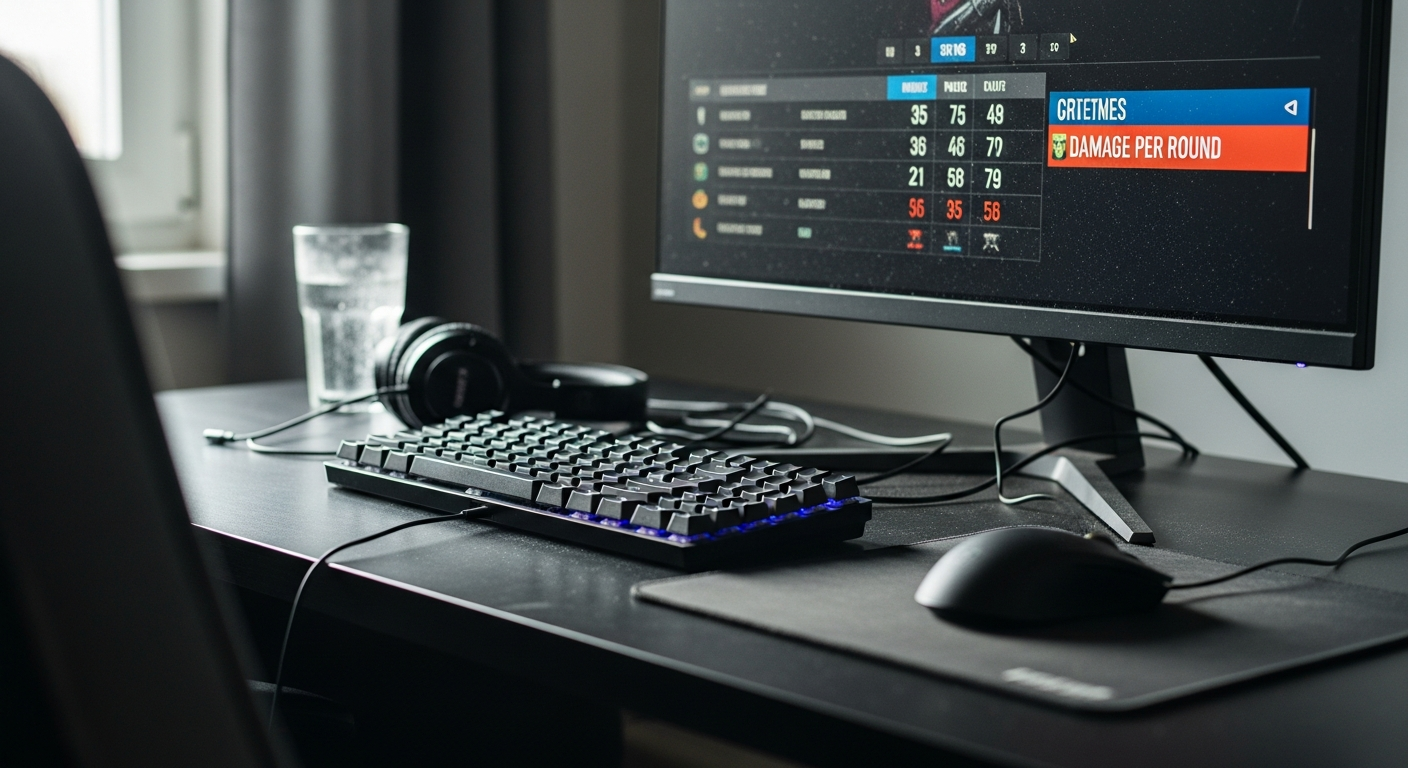
Table of Contents
What does ADR mean in CS2?
ADR stands for Average Damage per Round in Counter-Strike 2. It’s a core metric that shows exactly how much damage a player deals to opponents in a typical round, focusing on overall impact rather than who got the final kill.
Instead of just counting kills, this stat reflects your actual effectiveness across a whole match. Players and analysts look at CS2 damage per round alongside things like Kill/Death Ratio (KDR) and win rate to get a fuller picture of someone’s skill.
If you consistently chunk enemies down, but a teammate finishes them off, your contribution still shows up clearly in this number. Tracking your average damage per round gives you an honest look at how much you’re actually helping your team win rounds.
How is ADR calculated?
The formula is simple: the game takes your total damage dealt to enemies and divides it by the number of rounds played. Both bullets and utility count, but overkill damage is capped at whatever health the enemy had left.
For example, if you deal 1000 damage across a 20-round match, your score comes out to 50. That’s it.
Keeping an eye on this ratio lets you quickly judge your offensive consistency without needing to dig into complicated stats.
What counts toward ADR in CS2?
Knowing which actions actually move your numbers is important for understanding your real impact. Every point of health you strip from an enemy adds to your final CS2 damage per round score. Newer players often wonder if utility counts toward ADR, and yes, it does. The game tracks a range of offensive actions, rewarding both aim and smart equipment use. To build a strong score, you need to attack the opposing team through multiple methods.
The system registers damage from three main categories:
-
Firearm impacts: Hitting enemies with rifles, pistols, or SMGs is the main way to build your score. Direct hits in gunfights make up the bulk of your damage output.
-
Utility equipment: HE grenades, Molotov, and incendiaries all add to your total. Using these well lets you soften targets before pushing, padding your stats even when you don’t land the killing shot.
-
Melee attacks: Knifing an opponent counts toward the calculation too. Close-quarters situations don’t come up often in standard matches, but when they do, a successful knife hit gives your numbers a noticeable bump.
Mixing these different tools keeps constant pressure on the enemy. Learning both weapon spray patterns and grenade lineups helps your damage stay high across every half.
What is a good ADR in CS2?
Judging your performance takes more than just looking at kills. Alongside KDR and win rate, this stat is one of the core ways to measure your real impact. If you’re wondering what a good ADR score looks like, most players and analysts put the solid baseline at 70–80. Hitting that range means you’re consistently dealing damage and pulling your weight for the team.
Here’s how the numbers break down across different tiers:
-
Below 60: Minimal impact on match outcomes. Players here should focus on improving basic aim and utility usage.
-
70–80 (Good): A solid contribution. You’re trading damage effectively and helping your squad close out rounds.
-
80–95 (Excellent): Skilled players regularly average 80+ in ranked matches. These numbers mean you’re dictating the pace and creating real advantages for your team.
-
95+ (Outstanding): You’re likely carrying rounds and controlling large parts of the map on your own.
Consistently hitting that 70–80 baseline keeps you a positive presence on the scoreboard. Support players might occasionally sit a bit lower, and that’s fine, but it’s still worth aiming for that standard range.
How do you check ADR in CS2?
Knowing where to find your stats mid-game lets you adjust your approach before the half ends. Valve has built several ways to access this data directly in the interface, so you’re never far from the numbers.
Here’s where to look:
-
Mid-match scoreboard: Press Tab to open the scoreboard, right-click to get your cursor, then click the Cycle Stats button or the graph icon in the upper right. This reveals the DMG per Round column with real-time feedback between rounds.
-
Post-match summary: The final screen at the end of a game automatically shows your full output. It’s a good place to review your overall contribution across the whole match.
-
Player cards in the main menu: You can browse individual profiles through the main menu to check detailed stats. Useful for tracking trends over time outside active matches.
Checking these regularly means you always know where you stand and can stay focused on delivering consistent damage.
How does ADR compare to KDR?
When people talk about evaluating performance in Counter-Strike, the ADR vs. KDR debate comes up constantly. KDR only tracks whether you finished off opponents relative to how often you died, which frequently misses the full story of a match.
Average damage per round captures every point of health you remove from the enemy team, regardless of who lands the final shot.
Relying only on KDR can be misleading. A player might rack up kills simply by tapping enemies that teammates already brought to low health, without doing much of the actual work. In those cases, CS2 damage per round is a far more honest measure of real impact. Wearing down opponents makes it much easier for your squad to win trades and take rounds. That’s why many players and esports analysts prefer it over the traditional HAD ratio. Someone with high ADR but a lower KDR is still genuinely valuable on the server.
These metrics work best together. Professional broadcasts regularly show both numbers when breaking down top-level play, and neither should be read in isolation. Looking at them side by side gives a much more accurate picture of someone’s mechanical skill and teamwork.
What affects ADR in CS2?
Several variables shape a player’s average damage per round during a match. Raw aim matters, but it’s only part of the equation. A high score usually means you’re consistently finding opportunities to deal damage, though your numbers will naturally shift depending on your role and how the match plays out.
Team roles have a big influence on potential output. AWP players often post higher numbers because a single shot deals so much damage. Aggressive entry flaggers also tend to see elevated stats since they’re first into fights and trading fire early. Support players, on the other hand, often show lower ADR. Their job is to set up teammates with smokes and flashes rather than hunting kills directly. A lower score in that role doesn’t mean poor performance; it just reflects a different job on the team.
Beyond role, positioning and tactical awareness matter a lot. Smart rotations, reading enemy territory correctly, and well-timed utility all build toward a solid score. A good HE grenade or Molotov can add significant damage without you ever firing your primary weapon. Understanding these factors is what makes ADR such an honest reflection of your specific contribution, showing how effectively you wore down the enemy under real match conditions.
How can you improve ADR?
Raising your average damage per round takes a mix of mechanical work and tactical thinking. You can’t rely on luck; you need to actively create good engagements. That means sharpening core combat skills while also learning how to use map geometry and your team’s movements to your advantage.
Enhancing Mechanical Precision
Headshots deal the most damage in the game, so improving your aim is the obvious starting point. Time in death match servers or aim trainers builds the muscle memory needed to hit targets reliably. Learn spray patterns for rifles, and buy top-tier weapons whenever your team’s economy allows it. Consistently landing shots where you intend to naturally pushes your numbers up over time.
Mastering Positioning and Trades
Good positioning lets you hold angles that generate early picks or set up clean trades. When a teammate goes in as an entry dragger, follow immediately and engage. Winning those trades means you’re dealing damage to opponents who are already exposed or distracted. Taking smarter fights in key areas of the map keeps you in a position to deal damage rather than dying early without firing a shot.
Using Utility and Map Knowledge
High-explosive grenades and incendiaries count directly toward your score, so throwing them well chips away at enemy health before you even peek a corner. Learning wall bang spots helps too. Shooting through walls reduces bullet damage, but pairing a heavy weapon with knowledge of thin surfaces gets you extra damage without exposing yourself to return fire.
Building these habits into your regular play steadily raises your output. A disciplined approach to both mechanics and positioning keeps you a consistent damage threat throughout every match.
Where is ADR most useful?
Average damage per round is one of the most accurate ways to evaluate performance across all of Counter-Strike 2. Final kill counts alone often give an incomplete picture of what someone actually contributed. ADR cuts through that by directly representing your impact on round outcomes, which is why it’s used everywhere from daily matchmaking to professional broadcasts.
Evaluating Premier and Competitive Play
The metric is relevant in all modes, but it really proves its value in competitive and Premier matches. In those structured environments, round wins drive rank progression. Analyzing ADR in competitive CS2 helps show whether a player is actively contributing to those wins or just surviving post-plant situations. It’s a reliable measure of individual consistency during rank-defining matches, and often more telling than other available stats.
Professional Esports and Broadcast Analysis
At the professional level, analysts use this data to assess rosters and break down team performances. A player dealing consistent damage forces opponents into defensive positions, which creates space for teammates to win fights and accumulate kills. Even if a pro finishes with fewer direct flags, high damage output shows they were softening enemy defenses and generating win conditions throughout the match.
Tracking this stat gives clear insight into both team dynamics and individual contribution. At every tier of competitive play, it remains one of the most honest reflections of combat effectiveness available.

Post Comment