CS2 Premier vs Competitive: key differences explained
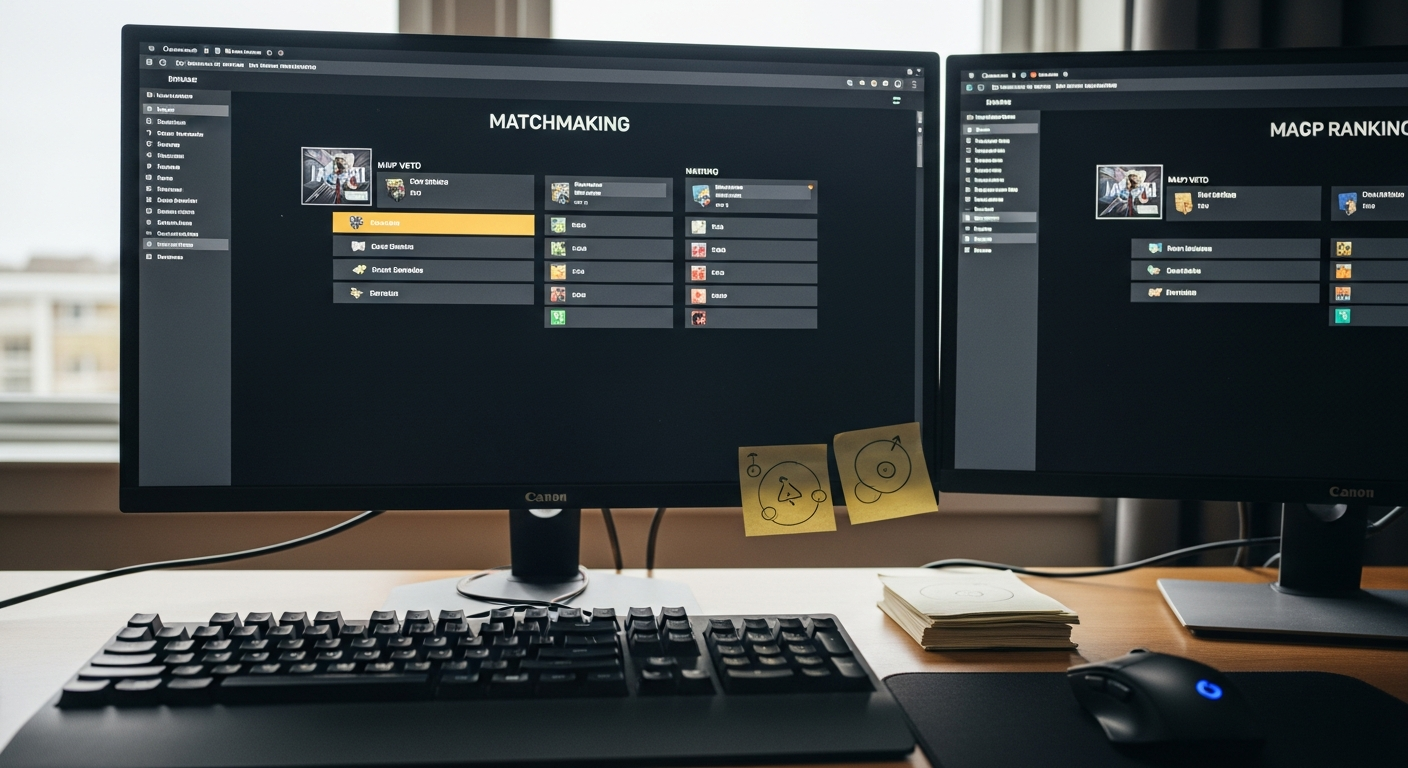
Table of Contents
What is CS2 Premier mode?
Premier mode in Counter-Strike 2 is the closest thing to a structured, competitive environment that regular players can access. It mimics professional esports play closely enough that it’s become the go-to destination for anyone who takes the game seriously. Casual match setups are gone. Instead, the format runs on strict rulesets that test both tactical knowledge and team coordination. Getting in requires Prime Status, which keeps the player base invested and the competition real.
The mode is built around the CS Rating system, where your match performance feeds directly into a single numerical score ranging from 0 to 40,000+ (split into color tiers from Gray to Gold) on the global leaderboard. Unlike casual modes, teams go through a pick-and-ban veto phase to choose the map, which rewards players who know the full map pool rather than just their one or two favorites.
The mode offers three main features:
-
Transparent progression: Your performance translates into a precise rating number rather than a traditional rank bracket, so you can track exactly how your skill fluctuates after every game.
-
Tactical map selection: The veto process means neither side gets to simply pick their comfort map, which tests your versatility across the active duty pool.
-
Exclusive incentives: Playing actively earns you rewards that go beyond the standard weekly Prime drops, including special skins and in-game items you won’t find in basic matchmaking.
By combining precise skill tracking with a professional ruleset, Premier delivers the most authentic Counter-Strike experience available outside actual tournaments. It naturally filters out casual play styles and creates the conditions for high-stakes tactical play.
What is CS2 Competitive mode?
Competitive is one of Counter-Strike 2’s main ranked modes, offering a classic 5v5 setup accessible straight from the Matchmaking menu. It works well as a starting point for newcomers, casual players, or anyone without Prime Status, and it uses the traditional rank ladder from Silver to Global Elite. There’s no financial entry requirement, though brand-new accounts need to put in some time in Casual, Death match, or Arms Race before the mode unlocks.
The format is built around flexibility. You play what you want, when you want. Three things define the experience when you queue up:
-
Target audience: It suits players learning the mechanics or those who want a relaxed 5v5 without putting their global rating on the line.
-
Direct map selection: Rather than going through a veto, you just pick the maps you want to play.
-
Extensive location pool: Competitive runs a broad rotation that includes Ancient, Anubis, Dust 2, Inferno, Mirage, Nuke, Train, Vertigo, Overpass, Jury, Grail, Agency, Office, and Italy.
That flexibility makes it easy to focus on mastering specific maps or just playing with friends without much pressure. It’s a traditional-ranked format that sits somewhere between casual fun and real tactical play.
CS2 Premier vs Competitive ranking
Counter-Strike 2 changed how player skill gets measured in a pretty fundamental way. Rather than one universal rank covering all matches, Valve introduced two separate progression paths, each requiring placement matches. Premier uses a global CS Rating with visible tiers and precise performance metrics. Competitive, on the other hand, tracks progress independently for each map and keeps more of the traditional, hidden-rank feel.
How maps work in both modes
Map selection is one of the biggest practical differences between the two modes. Valve designed each system to test different things: deep mastery of a single map versus adaptability across the whole active duty pool. That distinction shapes how you approach your sessions and what you practice.
In Competitive, you have full control. You queue directly for the maps you want to play. If you only want Mirage or Inferno, you select them from the menu and wait. This ties directly into how map-specific ranks work. Your skill tier is calculated separately for each map, so you can grind utility lineups on Nuke without touching your rank on Dust 2.
Premier works differently. Instead of choosing your map upfront, you enter a pick-ban veto phase with your team. Both sides take turns banning maps from the active duty pool until one remains.
This forces everyone to keep a working knowledge of multiple maps. If you rely too heavily on one favorite, opponents will simply ban it early in the veto.
CS2 Premier vs Competitive match format
Both modes share the same core structure: the MR12 format, with 12 rounds per half and 13 round wins needed to close out a standard match. Valve introduced this unified length to keep games moving and maintain consistent economy management across both queues. Where things diverge is when a match ends in a tie.
How tied games are handled is where the two modes feel genuinely different in terms of time commitment and intensity. Premier is built to mirror professional esports conditions, so a tied score triggers overtime. Teams play additional rounds until someone wins, which pushes both endurance and tactical depth. Hard-fought comebacks get a real conclusion rather than a neutral finish.
Competitive takes a simpler approach. If a match reaches 12–12, it ends there. No overtime, just a tie on your record. That makes it much easier to plan your sessions around, and it reinforces the idea that Competitive is a place to develop skills without the grind of extended overtime.
How to unlock Premier in CS2
Getting into Premier requires meeting a couple of specific conditions. Unlike standard matchmaking, Valve put the mode behind both a progression requirement and a paywall to keep match quality higher and deter throwaway accounts. Prime Status is the first box to tick before you can compete on the global leaderboard.
You can’t jump straight in on a new account. There’s a financial step and an in-game time investment involved. Here’s what you need:
-
Purchasing the upgrade – Prime Status is available directly on the Steam store. Beyond unlocking the queue, it makes you eligible for weekly drops that include weapon skins, cases, and graffiti.
-
Reaching Profile Level 10 – After buying the upgrade, you need to play other modes to earn XP. Grinding Casual, Death match, or regular matchmaking builds up your profile until it hits level 10.
-
Navigating the interface – Once both conditions are met, open the main menu, press Play, and select the designated tab to queue for your first match.
These requirements exist for a reason. They ensure players have a basic grasp of the game before entering a contested environment, and they help protect the integrity of the CS Rating system overall.
CS2 placement matches explained
Before you appear on any leaderboard or earn a skill badge, the game needs to figure out where you actually stand. Counter-Strike 2 uses a calibration process designed to give you an accurate starting point. Because CS2 has better matchmaking infrastructure than earlier versions of the game, the algorithm needs a set number of initial matches to evaluate your performance properly. The exact requirements depend on which queue you’re playing.
Securing map-specific ranks
Competitive treats every map as its own separate progression path. You need to win 10 placement matches to earn your first rank on a specific map. Win 10 on Inferno and you get a skill group for that map. Your status on Dust 2 stays hidden until you finish another 10 wins there. This setup lets you practice on unfamiliar maps without putting your standing on your best ones at risk.
Calibrating for the Premier leaderboard system
Premier uses a single, unified evaluation method. All matches feed into one CS Rating that places you on the worldwide leaderboard, rather than splitting your progress across different maps. To get your initial score, you need to win ten calibration matches against opponents at varying skill levels, which gives the system enough data to gauge your overall mechanics.
Once those matches are done, your rating becomes visible and your starting bracket is set. How you perform immediately after calibration has a real impact on how quickly you climb or fall from there.
CS2 Premier vs Competitive penalties
Keeping things fair is a priority in Counter-Strike 2, and Valve enforces behavioral rules across all matchmaking queues. That said, the consequences for breaking those rules vary depending on which mode you’re in. Knowing the differences can save you from unnecessary cooldowns and protect your standing.
Consequences for abandoning matches
Leaving a match mid-game disrupts the balance for everyone still in the server. Premier, given how closely it mirrors professional play, has stricter penalties for abandoning than Competitive does. Disconnecting from a Premier lobby and not returning results in matchmaking bans that escalate quickly with repeat offenses. On top of that, abandoning a Premier match hits your CS Rating hard, often stripping away hundreds of points immediately. Competitive still issues temporary cooldowns for leaving, but the damage to your map-specific ranks feels less severe than dropping the global leaderboard.
In-game infractions and economic punishments
Both modes have friendly fire fully enabled, so stray bullets will damage your teammates. The game discourages poor discipline through economic penalties: each teammate kill deducts $300 from your current match economy. Rack up too much team damage or secure multiple team kills, and you’ll get kicked from the server, followed by a mandatory cooldown. Extended bans for toxic behavior lock you out of matchmaking entirely, which can eventually cause rank icon decay in CS2 after inactivity, requiring at least one match to restore visibility. Being locked out also means missing your weekly Prime drops until the ban expires.
The rules apply regardless of which queue you prefer. Staying in your matches and keeping things clean is the only way to maintain a healthy standing.
Which CS2 mode fits your goals?
Choosing between the two ranked modes comes down to what you actually want to get out of your sessions. Both offer structured gameplay, but they’re built for different mindsets. Knowing what you’re trying to achieve makes it easier to pick the right queue.
Building fundamentals and map expertise
If you’re new to the game, start in Competitive. The format lets you choose exactly where you play, which makes it much better for learning specific mechanics. Focusing on a handful of maps helps you build crosshair placement, utility lineups, and site rotations at your own pace. Dedicated map specialists also tend to prefer this format because it guarantees consistent play on their chosen maps without a randomized veto getting in the way. Experienced players often use Competitive as a warm-up before jumping into higher-stakes lobbies. Earning map-specific ranks gives you clear milestones and builds the confidence you’ll need for tougher challenges later.
Pursuing a professional esports path
If you’re aiming for the highest level of play, Premier is where you’ll eventually need to be. It’s built around professional tournament conditions, from the pick-ban veto before the first round to overtime that forces a definitive result instead of the 12–12 draw you’d get in Competitive. Climbing the Premier leaderboard demands adaptability and a solid understanding of the entire active duty pool. You’ll need to complete your placement matches first to earn a rating, and from there the climb toward the top of the leaderboard begins.
Pros and cons of each mode
Looking at the advantages and drawbacks of both queues makes it easier to figure out which one fits your daily sessions. The choice usually comes down to how much competitive pressure you want versus how much control you want over your lobby. Each mode has real benefits depending on what you’re after.
Advantages and drawbacks of Premier
Premier is the main environment for players who want to compete seriously and track their progress on a global scale. The CS Rating system is transparent and directly tied to your performance. The map veto forces adaptability, and Prime gating helps reduce cheater exposure. The downsides are real, though. The structure brings noticeably higher stress. You can’t avoid unfavorable maps, and you have to stay focused through potential overtime rounds.
Strengths and weaknesses of Competitive
Competitive offers a more customizable experience that fits specific learning goals well. The flexibility is its biggest strength: you pick your maps, the pressure is lower, and you can work on weak points or test new utility setups without risking a global rating drop. The drawbacks are that the player base tends to be less coordinated, the map-specific rank system feels fragmented to some players, and matches have no tiebreaker, so a close game can just end without a winner.
Neither format is better in every situation. Using both strategically is probably the smartest approach: Competitive for building map knowledge, Premier for proving you can apply it under real pressure.







Post Comment